Specializing in all automotive repairs. MTA Approved.
Expanded information on our services
Below is more detailed information on some of the services we can provide.
 Warrant of Fitness (WOF)
 Warrant of Fitness (WOF)
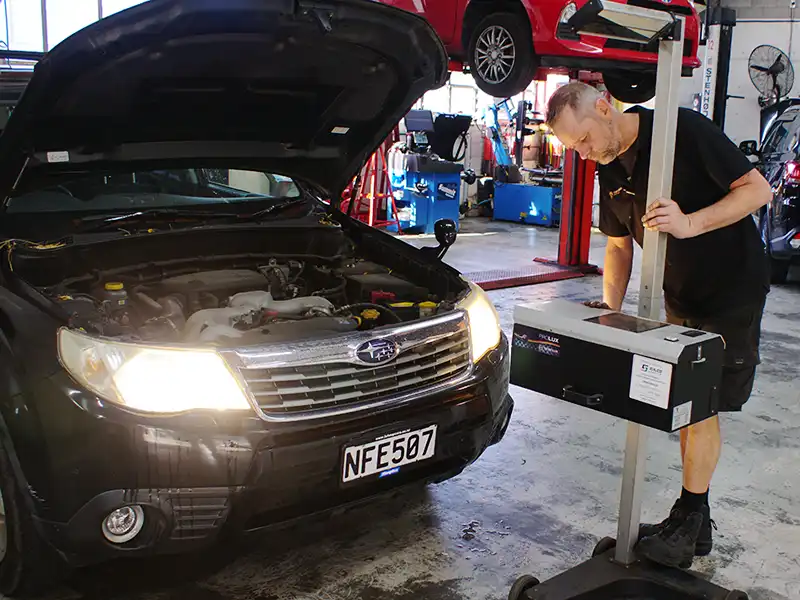
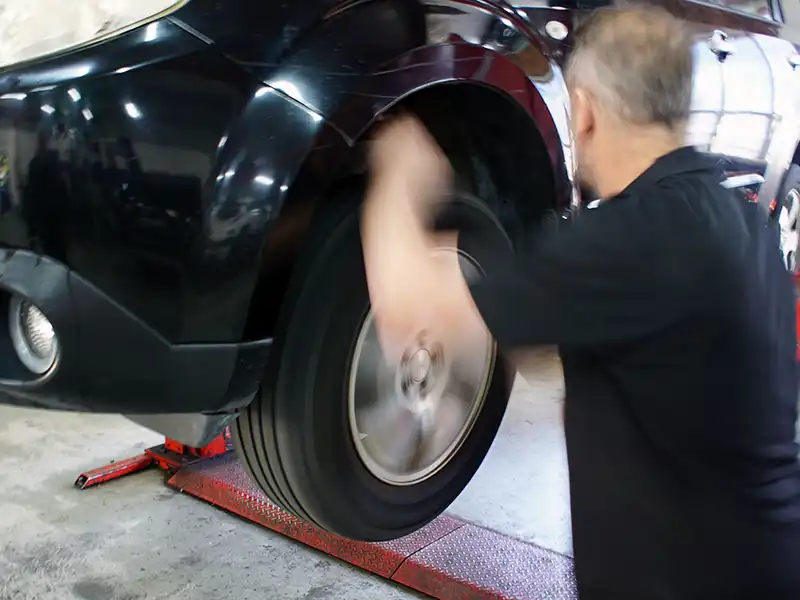
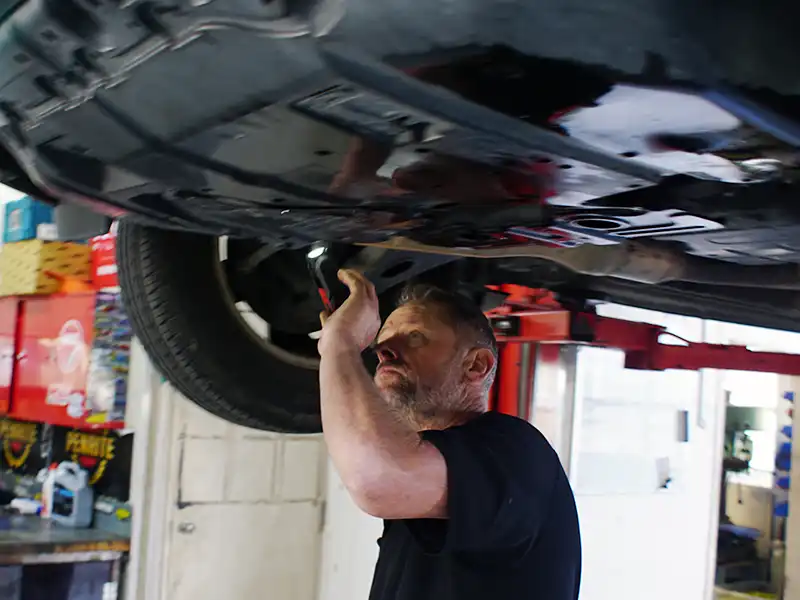
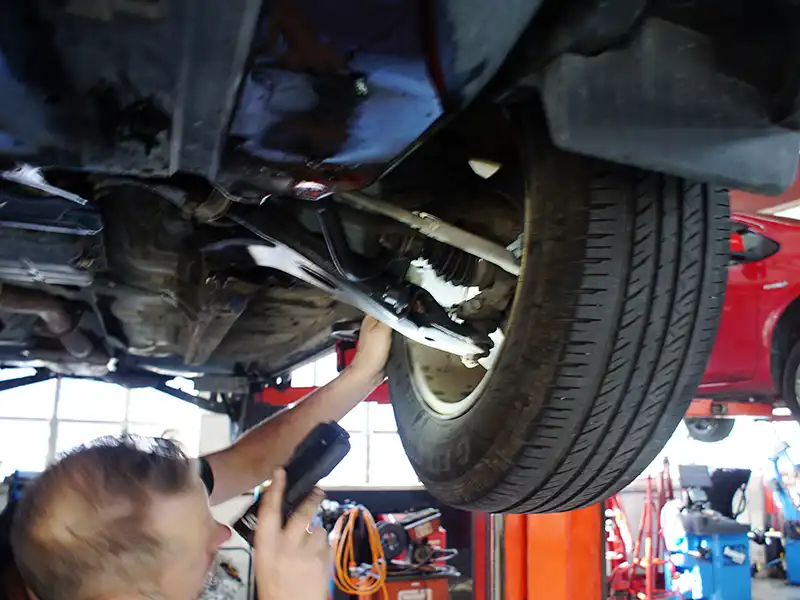
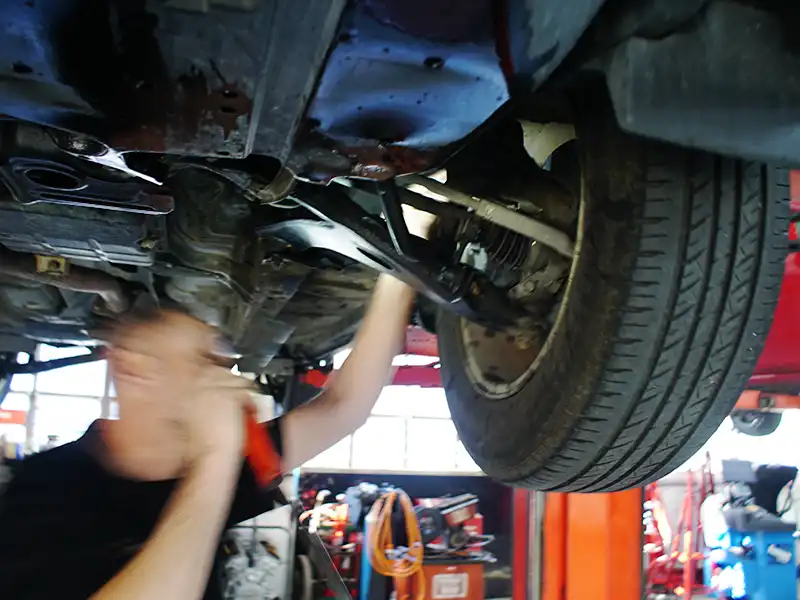
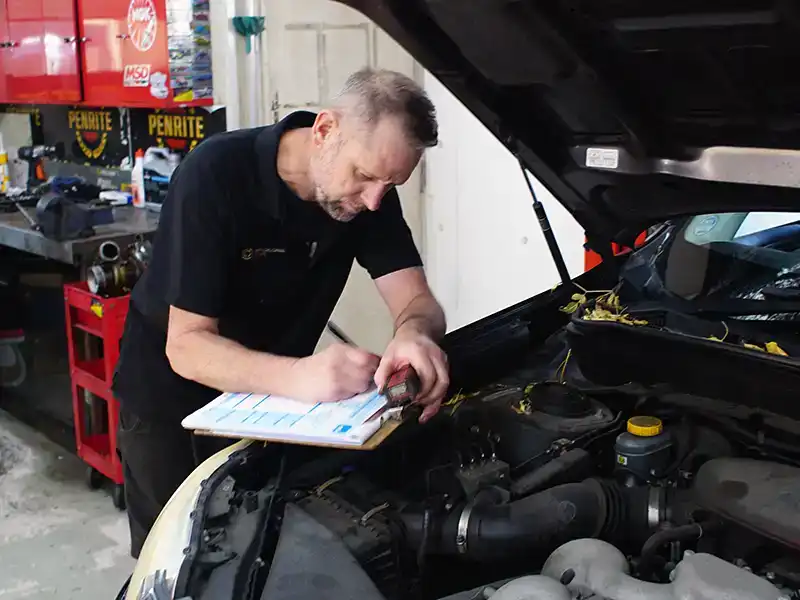
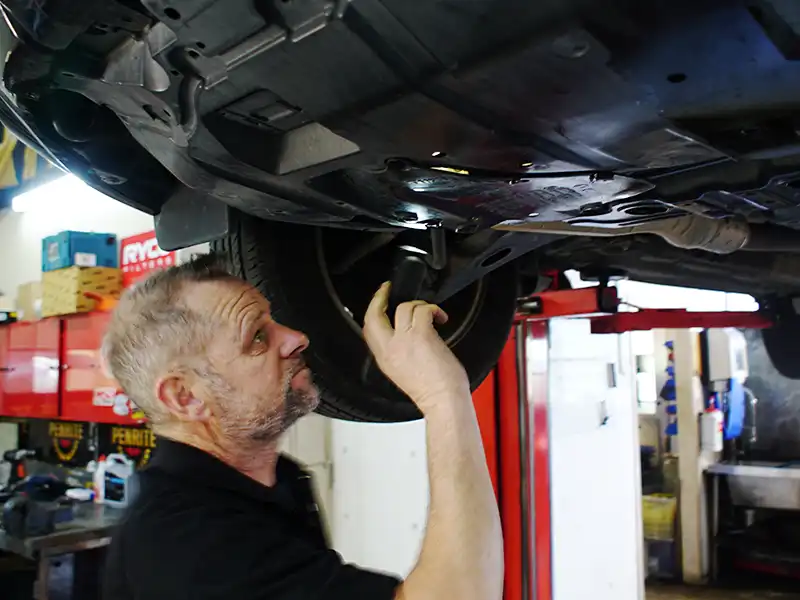
A New Zealand Warrant of Fitness (WoF) is a regular general safety check required for light vehicles. Key inspection items include tyre tread depth, brake operation, and structural safety.
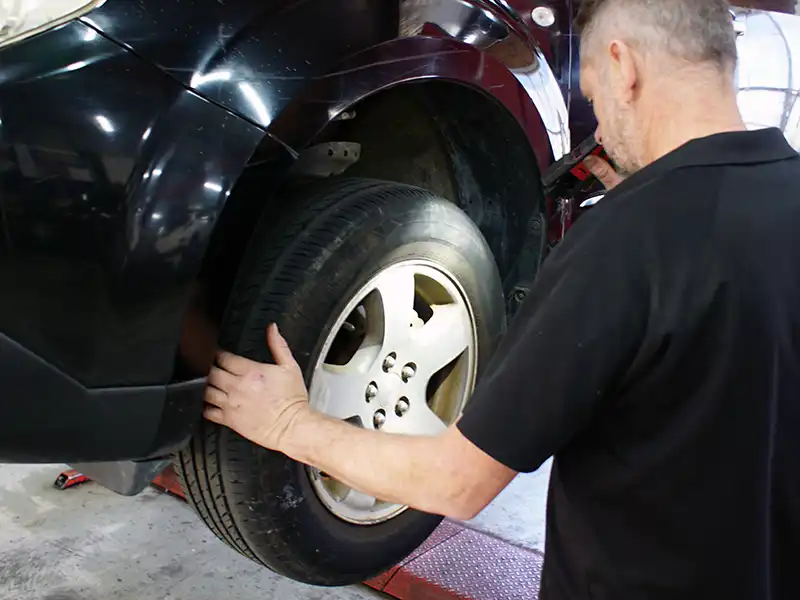
- Tyres and Wheels: Minimum tread depth of 1.5mm, correct matching across axles, and no major damage.
- Brakes and Safety: Foot and hand brake operation, electronic safety systems/airbags, and functional seatbelts.
- Visibility and Structure: Windscreen condition (no major cracks), working wipers and washers, lights and indicators, and a rust-free frame in critical stress areas.
- Mechanical Basics: Working steering and suspension, secure exhaust system, and a working speedometer.
- New Vehicles: Valid for 3 years from the date of first registration.
- Vehicles 3 Years Old or Newer: Valid until the vehicle's 3rd birthday.
- Registered from 1 January 2000 onward (Ages 3–13): Must be renewed every 12 months.
- Registered before 1 January 2000: Must be renewed every 6 months.
- Vintage Vehicles (Over 40 years old): Inspected every 12 months.
Air conditioning
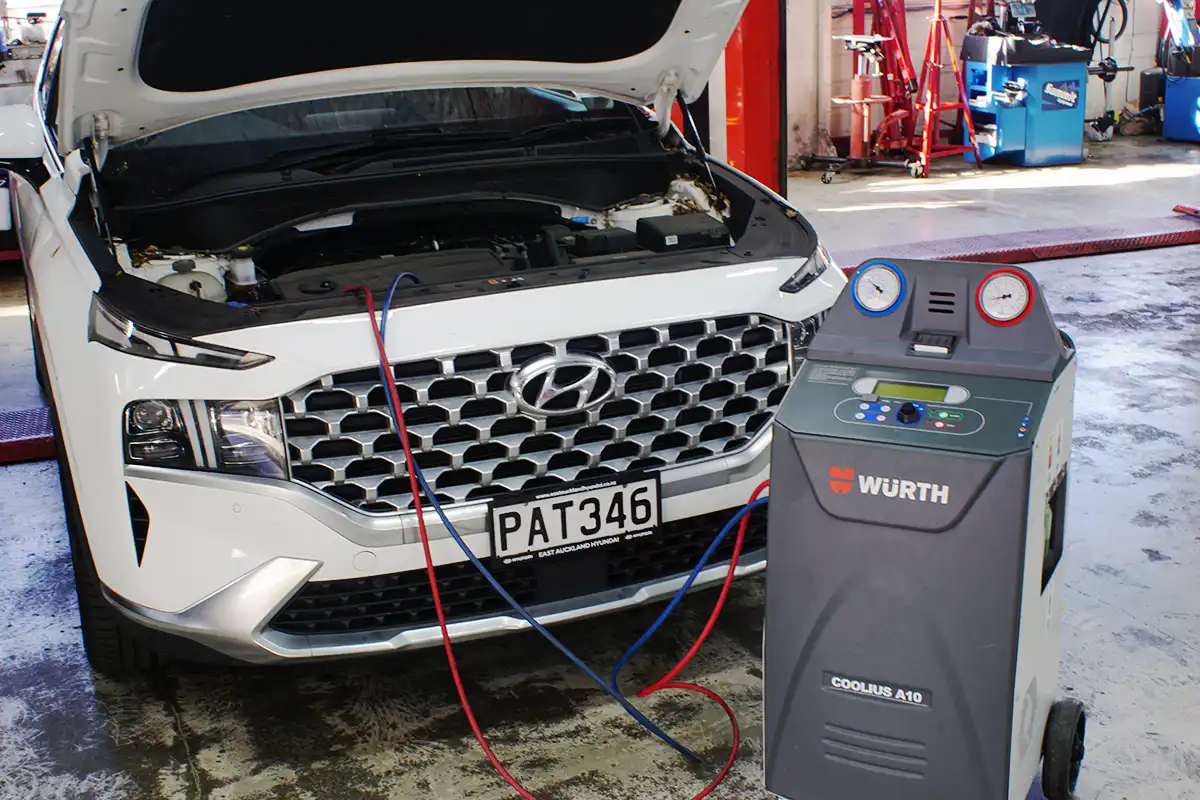
Car air conditioning servicing in generally involves a standard regas, leak testing, and component repairs, typically recommended every 2 to 3 years or when you notice warm air.
- A/C Regas: Replaces and refills lost refrigerant gas so the evaporator can cool the cabin efficiently.
- Leak Detection: Uses pressure tests or dye to find and fix holes in hoses, condensers, or seals.
- Disinfecting / Deodorizing: Cleans out mold, bacteria, and foul smells from the vents and evaporator core
- Warm air blowing from the vents instead of cold.
- Weak airflow even when the fan is turned up high.
- Strange or musty smells when you turn the system on.
- Unusual noises like clicking or grinding coming from the compressor
Diagnostics & Repairs
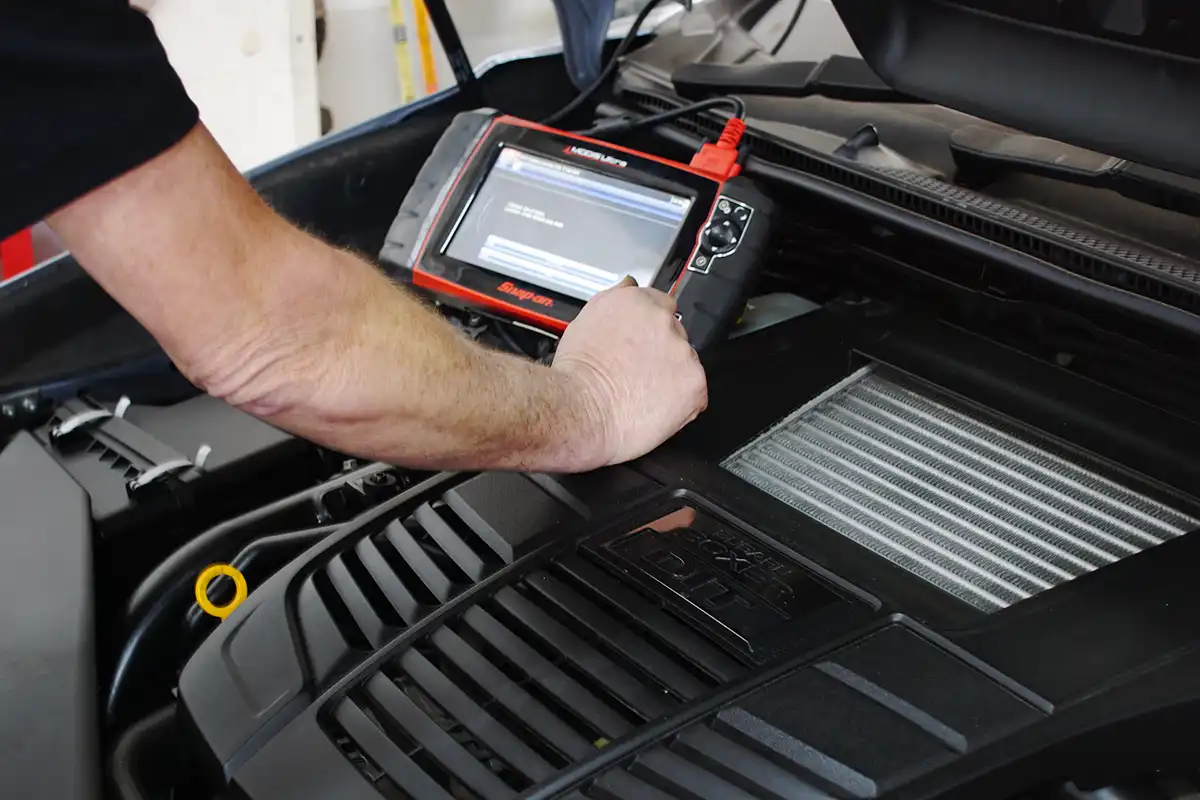
Car diagnostics is the computer-based testing process used to find mechanical and electrical faults in a vehicle. It involves connecting a scanner tool to the car's OBD-II port, reading error codes, and testing live data.
- OBD-II Connection: The mechanic plugs a digital tool into your car’s on-board computer port (standard in vehicles made after 1996).
- Reading Codes: The tool pulls Diagnostic Trouble Codes (DTCs) that point to malfunctioning areas like the engine, ABS, or transmission.
- Live Testing: Technicians look at real-time sensor data and perform hands-on tests, because a code points to a symptom rather than naming the exact part to replace.
- Dashboard Lights: Check engine lights, ABS warnings, and airbag or SRS alerts.
- Performance Drops: Rough idling, unexpected stalling, poor fuel economy, or slow acceleration.
- Electrical Failures: Battery charging problems, blown fuses, or faulty sensors.
On-site industrial workshop
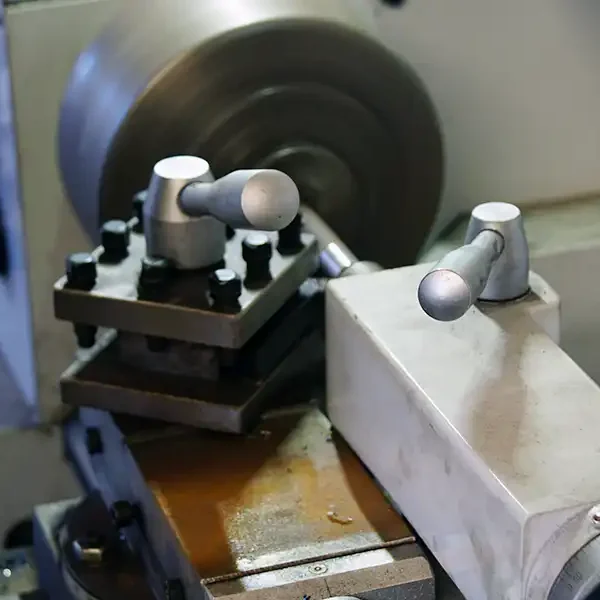
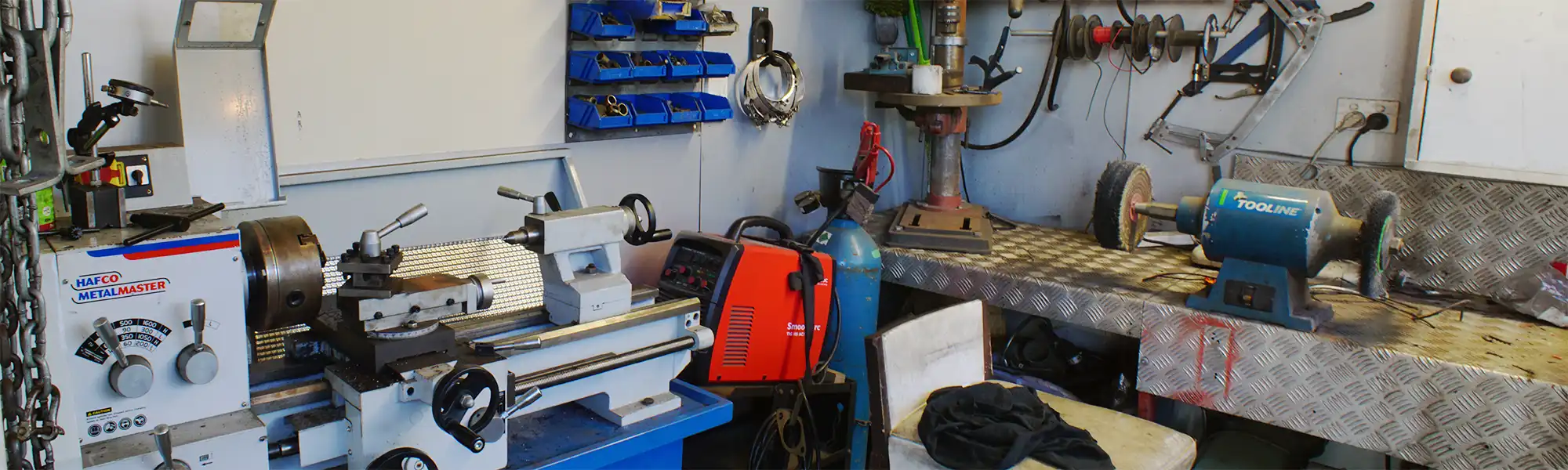
To facilitate fast turnaround of repairs to customer vehicles, we have a well appointed engineering workshop to assist in manufacturing simple parts, or assist in assembly and/or disassembly.
Sometimes having the ability properly clean and align parts makes all the difference when it comes to complex components that come with today's modern vehicles.