

Welcome to Terry Gruebner Motors
Specializing in all automotive repairs. MTA Assured.
We are your local automotive workshop with a long history of supporting the people of Birkenhead and Northcote communities when it comes to keeping their vehicles in the safest and best condition possible. We have been in business for over 30 years, and our loyal customers are a testament to our attention to detail and honest appraisal of service requirements.
Terry Gruebner Motors is an independent business and is not connected to, sponsored by, or affiliated with any vehicle manufacturer.
If you are looking for a honest, hands-on mechanic to service your vehicle, you can do no better than Terry Gruebner Motors.
We accept payment via… 


"We have the knowledge and the technology to repair all makes and models. We can do nearly everything you may need - just ask!"
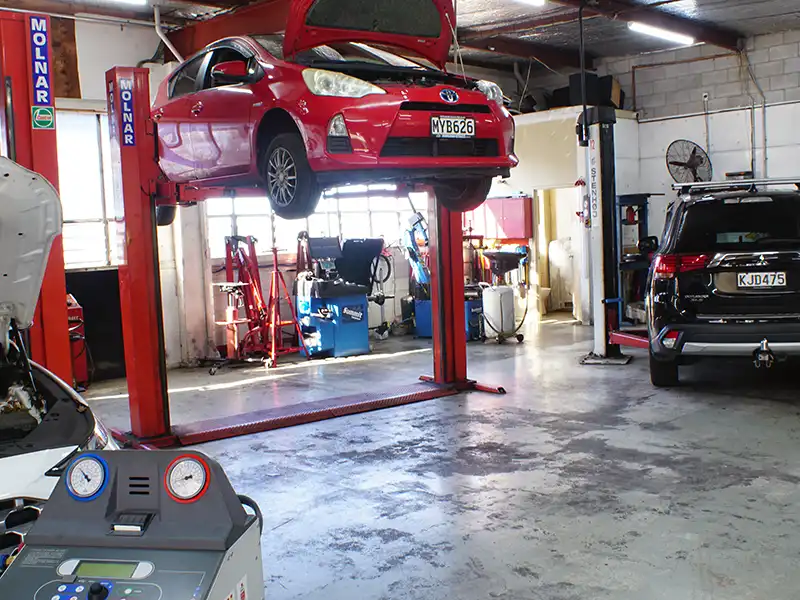

Terry Gruebner Motors is owned and operated by Darrel Catchpole.
Darrel has over 35 years of automotive experience and has owned Terry Gruebner motors for the last 20 years, building it into a well-respected business that customers far and wide have come to rely upon.
His business ethos is one of maintaining high technical standards for all work conducted in the workshop with a friendly and approachable manner.
If you need vehicle servicing, or you have a problem, contact him and he's sure to have an answer that can help you.
Below are just some of the services we can provide
Alternators & Starters
Alternators and starters are two essential components of a vehicle's electrical system, each performing a different but equally important function. The starter motor is responsible for initiating the engine's operation by using electrical energy from the battery to crank the engine until combustion begins. Once the engine starts, the starter disengages automatically. If the starter fails, the engine may not crank, often producing a clicking sound or no response at all. Common causes of starter problems include worn-out brushes, faulty solenoids, or weak battery connections.
The alternator takes over after the engine is running by generating electrical power to operate the vehicle's electrical systems and recharge the battery. It converts the engine's mechanical energy into electrical energy through electromagnetic induction. A properly functioning alternator ensures that components such as the headlights, air conditioning, radio, and ignition system receive a steady supply of power. Signs of a failing alternator include dim lights, battery warning lights, and difficulty starting the vehicle after repeated use. Regular inspection and maintenance of both the alternator and starter help improve vehicle reliability and prevent unexpected breakdowns.
Automatic Transmission Flush & Servicing
Automatic transmission flush and servicing are essential maintenance procedures that help keep a vehicle's transmission operating smoothly and efficiently. Over time, transmission fluid can become contaminated with dirt, metal particles, and debris, reducing its ability to lubricate, cool, and protect internal components. During a transmission flush, the old fluid is completely removed and replaced with fresh, manufacturer-recommended transmission fluid, while servicing may also include replacing the transmission filter, inspecting seals, checking for leaks, and assessing the overall condition of the transmission system. Regular servicing helps maintain proper gear shifting, reduces wear on internal parts, and extends the lifespan of the transmission.
Following the vehicle manufacturer's recommended service intervals for automatic transmission maintenance can prevent costly repairs and improve overall driving performance. Fresh transmission fluid ensures smoother gear changes, better temperature control, and reduced friction between moving components. Professional technicians use specialized equipment to perform transmission flushes safely, ensuring that the correct type and quantity of fluid are used. Routine automatic transmission servicing not only enhances reliability and fuel efficiency but also helps identify potential issues early, allowing them to be addressed before they develop into major mechanical problems.
Battery service & replacement
Battery service and replacement involves inspecting, testing, maintaining, and replacing vehicle batteries to ensure reliable starting and consistent electrical system performance. An automotive technician begins by checking the battery's condition using specialised diagnostic equipment to measure voltage, state of charge, and overall health. The technician also inspects the battery terminals, cables, and mounting bracket for corrosion, damage, or loose connections, cleaning and securing them as needed. If the battery is serviceable, it may be recharged and retested to confirm it meets the manufacturer's specifications.
When a battery no longer performs safely or efficiently, the technician replaces it with the correct battery type and capacity recommended for the vehicle. The replacement process includes disconnecting the old battery safely, installing the new one, ensuring all connections are secure, and verifying that the charging system is functioning correctly. Modern vehicles may also require the battery management system to be reset or the new battery to be registered using diagnostic equipment. Finally, the technician performs operational checks and disposes of the old battery in accordance with environmental regulations and workplace safety procedures.
Brake overhauls
A brake overhaul is a comprehensive inspection, servicing, and replacement of worn or damaged braking system components to restore safe and reliable braking performance. The process typically involves removing the wheels and brake assemblies, inspecting brake pads, shoes, discs (rotors), drums, calipers, wheel cylinders, brake hoses, and hardware for wear, corrosion, leaks, or damage. Worn components are replaced, moving parts are cleaned and lubricated where appropriate, and brake discs or drums may be machined or replaced if they do not meet the manufacturer's specifications.
After reassembly, the technician checks and tops up the brake fluid, bleeds the hydraulic braking system if required to remove trapped air, and adjusts the brakes where applicable. A final inspection ensures all components are correctly installed and torqued to specification, followed by a road test to verify proper brake operation, pedal feel, stopping performance, and the absence of unusual noises or vibrations. A properly completed brake overhaul improves vehicle safety, braking efficiency, and the overall reliability of the braking system.
Cambelt servicing
Cambelt servicing, also known as timing belt replacement, is a vital maintenance procedure that involves inspecting and replacing the rubber-toothed belt synchronizing the engine's crankshaft and camshaft. This service prevents catastrophic engine failure by ensuring the valves and pistons operate in precise, synchronized harmony without colliding.
Technicians perform this service according to strict manufacturer mileage and age limits, typically replacing not just the belt itself, but also related components like tensioners, idler pulleys, and the water pump if it is driven by the belt. Doing this comprehensive replacement ensures long-term reliability and saves vehicle owners from expensive internal engine repairs.
Clutch repairs and replacements
Clutch repair and replacement involves diagnosing, servicing, and restoring the mechanical linkage that transfers engine power to the transmission. Technicians begin by inspecting symptoms like gear slippage, a spongy pedal, burning odors, or grinding noises during shifts. They check hydraulic fluid levels, master cylinders, and linkage adjustments to rule out external failures. If the issue is internal, the technician must separate the transmission from the engine block to gain access to the clutch housing assembly.
Once open, the technician inspects and typically replaces the primary wear components, including the clutch disc, pressure plate, and throw-out bearing. They also evaluate the flywheel for heat spots or warping, machining or replacing it as necessary to ensure a smooth mating surface. After installing the new components using a precise alignment tool, the transmission is bolted back into place. The system is then bled of air, adjusted to factory specifications, and road-tested to verify seamless engagement and optimal power delivery.
Cooling system repairs & servicing
Automotive cooling system repairs and servicing involve maintaining key components like the radiator, water pump, and thermostat to prevent engine overheating. Technicians perform pressure tests, system flushes, and part replacements to keep engines running at safe temperatures.
Service Tasks
- Pressure Testing: Finding hidden leaks.
- Coolant Flush: Cleaning out old rust and dirty fluid.
- Part Swaps: Changing broken hoses, pumps, or thermostats.
Repair Focus
- Overheating Prevention: Fixing airflow or fluid blockages.
- Temperature Control: Ensuring proper warm-up and cooling cycles.
Diesel servicing
Diesel servicing is specialized maintenance that keeps compression-ignition engines running clean, strong, and efficient. It focuses on critical high-pressure fuel delivery components, emission systems, and heavy-duty lubrication needs.
Core Maintenance Tasks
- Fluid and Filter Swaps: Changing engine oil, air filters, and water-separating fuel filters every 250 to 500 hours or standard mileage intervals.
- Fuel Injector Care: Testing and cleaning high-pressure common rail injectors to prevent misfires and poor fuel economy.
- Emission Control Checks: Inspecting Diesel Particulate Filters (DPF) and exhaust systems to reduce black smoke and meet clean air rules.
Engine reconditioning
Engine reconditioning is the complete disassembly, chemical cleaning, and precision measurement of a worn internal combustion motor. Technicians perform this process to restore factory performance, fix compression losses, and extend the lifespan of a vehicle.
The workflow begins by stripping the block down to its bare shell, pressure testing for cracks, and machining components like the crankshaft, cylinders, and cylinder heads to exact manufacturer tolerances. Mechanics then replace damaged or worn internal parts—such as pistons, piston rings, bearings, and seals—before reassembling and testing the unit for optimal compression and oil pressure.
Fuel injection service
A fuel injection service is a specialized maintenance procedure to clean, inspect, and test a vehicle's fuel system components. It removes harmful carbon and varnish deposits from the injectors, throttle body, and intake valves to restore engine power, smooth out rough idling, and improve gas mileage.
During the service, a technician connects pressurized cleaning equipment to flush the fuel rail and dissolve buildup directly inside the injector nozzles. They also test fuel pump pressure, check vacuum and fuel lines for leaks, clean the air intake path, and verify that the electronic control unit (ECU) maintains a proper air-fuel ratio.
Gearboxes - auto & manual
Lube & Oil changes
A "Lube & Oil change" service is a vital preventative maintenance procedure that removes degraded engine oil, replaces the oil filter, and replenishes essential mechanical lubrication. This core service protects internal engine components from friction, overheating, and premature wear.
The service begins by lifting the vehicle to safely drain the used oil from the crankcase into a collection pan. The technician removes the old oil filter, installs a fresh filter with a lubricated seal, and torques the drain plug to factory specifications. Next, they refill the engine with the exact volume and grade of clean oil recommended by the manufacturer.
Beyond the oil and filter swap, a complete lube service includes inspecting and topping off other under-hood fluids—such as brake, power steering, transmission, and windshield washer fluids. Technicians also lubricate chassis grease fittings, check and adjust tire pressures, and perform a multi-point visual safety inspection of belts, hoses, and the undercarriage for leaks
Power steering
A power steering service involves inspecting the hydraulic system components, flushing old or contaminated fluid, and refilling with fresh fluid. This preventative maintenance ensures smooth handling and extends the life of the pump and rack.
A technician begins by visually inspecting the power steering reservoir, high-pressure and return hoses, and steering gear for leaks, cracks, or worn rubber. They also check the condition and tension of the accessory drive belt that spins the hydraulic pump. If the fluid is dark, burnt, or full of microscopic metal shavings from normal wear, they perform a complete fluid flush
Rust repairs
Servicing rust repairs involves inspecting and mapping corrosion, cutting away diseased metal, and welding in fresh steel replacement panels. Technicians then grind welds smooth, apply rust-inhibiting primers, and refinish the area to restore structural integrity and factory appearance.
Key Repair Steps
- Assessment & Stripping: Grinding or media blasting the area down to bare metal to trace the full extent of the corrosion.
- Fabrication & Welding: Cutting out perforated sections and precision-welding custom or factory patch panels into place.
- Finishing & Sealing: Smoothing the surface with body filler, coating with anti-rust primer, and color-matching the paint
Suspension
Automotive suspension servicing is a critical maintenance procedure focused on inspecting, adjusting, and replacing components like shock absorbers, struts, springs, and ball joints to ensure vehicle safety, stability, and ride comfort.
Inspection and Diagnosis
Technicians raise the vehicle on a lift to visually and physically examine the undercarriage. They check shock absorbers and struts for hydraulic fluid leaks, rust, or physical dents. They also inspect coil springs for cracks or sagging, and test rubber bushings, control arms, and ball joints for excessive play or wear. Any looseness or noise during movement indicates a part has failed and needs replacement.
Repair and Adjustment
Worn dampers, broken springs, or degraded joints are swapped out using specialized hand tools and spring compressors. After replacing parts, technicians often perform a wheel alignment using precise computer equipment. This final step sets the correct wheel angles, ensuring the vehicle tracks straight, handles safely during steering, and prevents uneven tire wear.
Tyres
Tyre servicing involves inspecting tread depth, adjusting air pressure, and balancing or aligning wheels. These tasks ensure vehicle safety, grip, and fuel efficiency.
Inspection and Maintenance
- Tread check: Measure groove depth to spot legal or safety wear limits.
- Damage scan: Look for cuts, bulges, or embedded sharp objects.
- Pressure set: Inflate or deflate to match the vehicle maker's PSI rules.
- Rotation: Swap wheel positions to promote even rubber wear.
Adjustment and Repair
- Balancing: Spin wheels on a machine and add weights to stop vibrations.
- Alignment: Adjust steering angles so the car tracks straight and true.
- Puncture repair: Patch leaks safely from the inside when the damage allows.
Tune ups
An automotive tune-up is a targeted preventative maintenance service focused on inspecting, adjusting, and replacing components of a vehicle's engine and ignition system to restore peak performance, fuel efficiency, and smooth operation.
Historically, a tune-up involved manually adjusting mechanical parts like carburetors, ignition points, and timing. On modern vehicles governed by onboard computers, a professional tune-up centers primarily on replacing worn spark plugs and ignition boot coils, changing engine air and fuel filters, cleaning the throttle body or fuel injectors, and running an electronic diagnostic scan to detect hidden trouble codes.
In addition to core engine work, technicians perform comprehensive multi-point inspections during a tune-up. They check the health of the car battery, evaluate wearable accessory drive belts and rubber coolant hoses for cracking, and monitor fluid levels and conditions. This vital service ensures the proper balance of air, fuel, and spark, preventing premature component failures and maintaining long-term engine reliability
Pre-holiday vehicle checks
Pre-holiday vehicle checks involve a comprehensive inspection of critical safety systems, including tires, brakes, fluid levels, and battery health. Certified technicians perform these diagnostic assessments to prevent unexpected roadside breakdowns during long-distance holiday travel.
Inspection Scope and Testing
- Tire Integrity: Technicians check tire pressure, inspect sidewalls for damage, and measure tread depth (ensuring it exceeds legal minimums for safe highway grip).
- Braking Systems: The team evaluates brake pad thickness, rotor condition, and hydraulic fluid levels to guarantee optimal stopping power.
- Electrical and Fluids: Battery voltage and charging systems are load-tested, while engine oil, coolant, power steering, and washer fluids are inspected and topped up.
Preventative Adjustments
- Drive Belts and Hoses: Rubber components are visually scanned for cracking, fraying, or soft spots that might fail under sustained engine heat.
- Visibility and Accessories: Headlights, indicators, hazard lights, and windscreen wipers are tested for reliable operation in changing weather.
- Emergency Gear: Mechanics verify the presence and usability of the spare tire, vehicle jack, and wheel spanner
Pre-purchase vehicle checks
A pre-purchase vehicle check is a detailed mechanical and structural inspection, covering engine health, body condition, and a test drive. It helps buyers find hidden problems and avoids costly surprise repairs.
Inspection Scope
- Under the Hood: Checking engine oil, coolant quality, belts, hoses, and battery health for leaks or wear.
- Underbody and Structure: Looking for rust, frame damage, worn suspension, and brake pad thickness.
- Electronics and Cabin: Testing lights, windows, air conditioning, and running a computer diagnostic scan for fault codes.
Road Test and Reporting
- Performance Evaluation: Assessing cold starts, transmission shifts, steering response, and overall braking efficiency on the road.
- Technician Report: Providing a written summary of immediate safety concerns, upcoming maintenance costs, and general vehicle condition
WOF vehicles & trailers
Automotive technicians perform systematic safety inspections for vehicle and trailer Warrant of Fitness (WoF) compliance, checking critical components like tyres, brakes, lights, and structural integrity. If faults are found, they diagnose the issues, perform necessary mechanical repairs, and re-inspect the equipment to ensure it meets legal road-safety standards before issuing certification.
Core Inspection Tasks
- Brake performance: Testing operational efficiency and handbrakes.
- Tyres and wheels: Checking minimum tread depth and looking for damage.
- Structural condition: Inspecting for dangerous rust or frame damage.
- Lights and indicators: Verifying electrical function and alignment.
Trailer specifics: Examining couplings, safety chains, and wheel bearings
Welding
Servicing a vehicle's framework through welding involves careful damage assessment, precise alignment, and structural restoration using original equipment specifications. Technicians must evaluate structural integrity, cut away compromised metal, and apply exact welding techniques to ensure safety.
Assessment and Preparation
- Damage inspection: Evaluating cracks, bends, and rust on structural frame rails.
- Blueprint matching: Reviewing manufacturer guidelines for exact steel types and tolerances.
- Vehicle anchoring: Securing the chassis on a straightening bench to lock dimensions.
Execution and Finishing
- Material removal: Cutting out distorted or rotted sections with precision tools.
- Controlled welding: Applying MIG, TIG, or spot welding to fuse replacement steel.
- Integrity verification: Allowing natural cooling and applying protective anti-corrosion coatings.
I started using Terry Gruebner Motors several years ago after my long-time mechanic retired. I was a bit unsure after having them recommended to me, as I had valued the individual and personal service I had got used to.
To my great relief, Darrel and his team were actually a step up as far as service and technical capabilities were concerned. Nothing was too much effort, and they went out of their way to explain what was needed.
Their pricing was also very competitive and I feel I'm now getting even better value for my money.
Highly recommend them to anyone looking for automotive servicing or repair.
Stuart - Birkenhead
Professional services
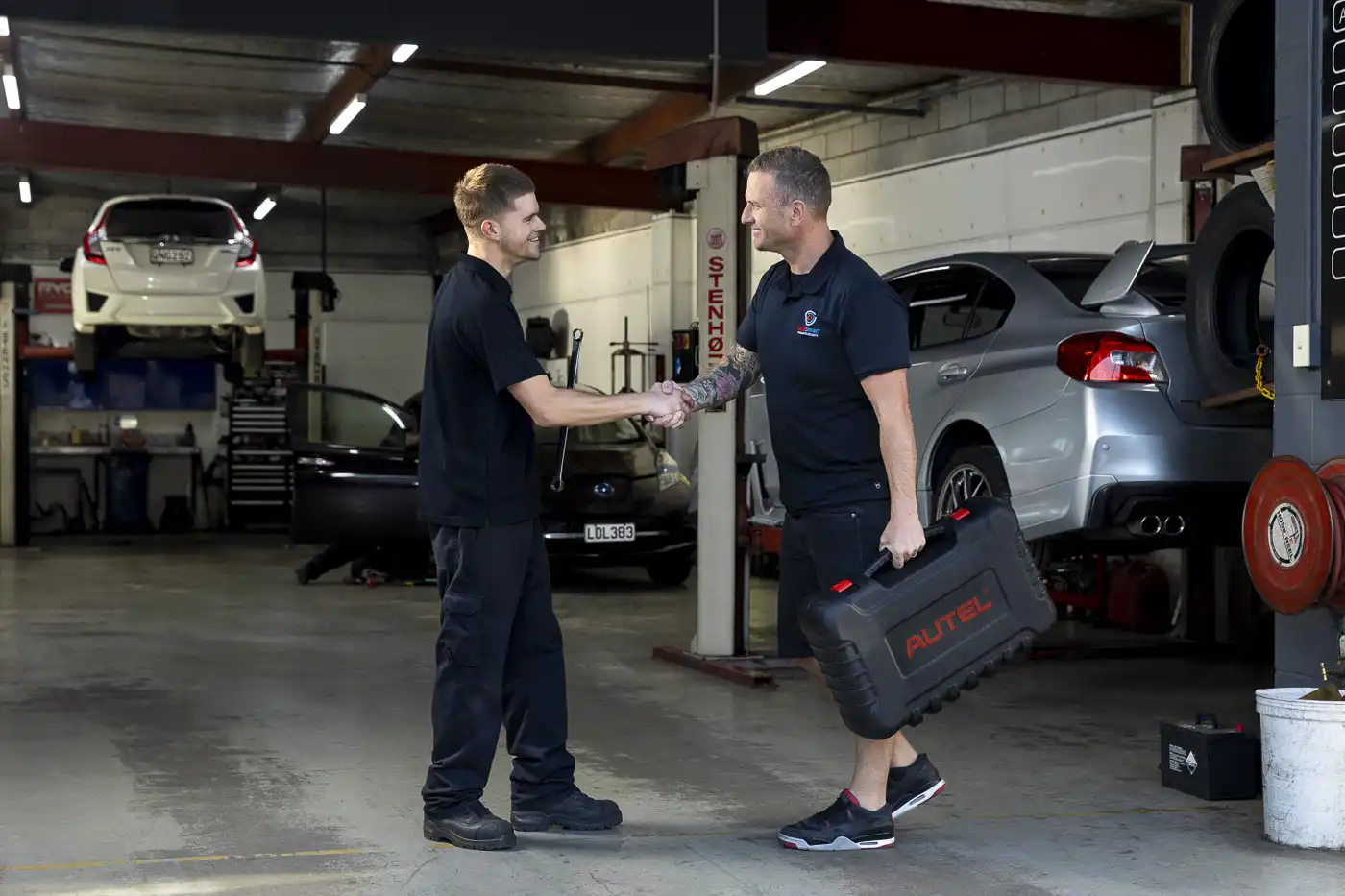
Terry Gruebner Motors prides itself in working with a range of professional service companies to enhance their customer's sense of working with the best, and receiving the best care possible.
One such company is LockSmart - trusted mobile locksmiths.

Specialist car services
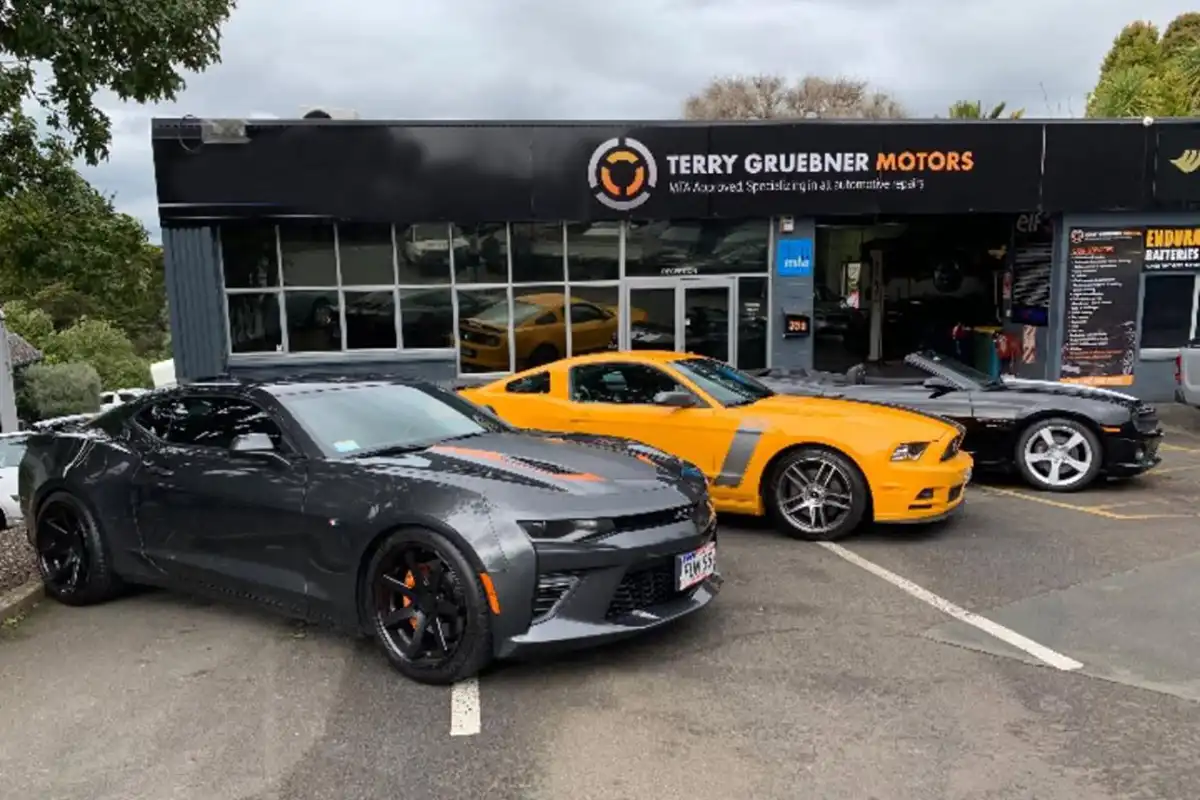
The team at Terry Gruebner Motors, especially Darrel, have worked on a large array of vintage and custom cars over the years, especially so-called "muscle cars". So if you need specialist help on your pride and joy, give Darrel a phone call and talk through what you need.